
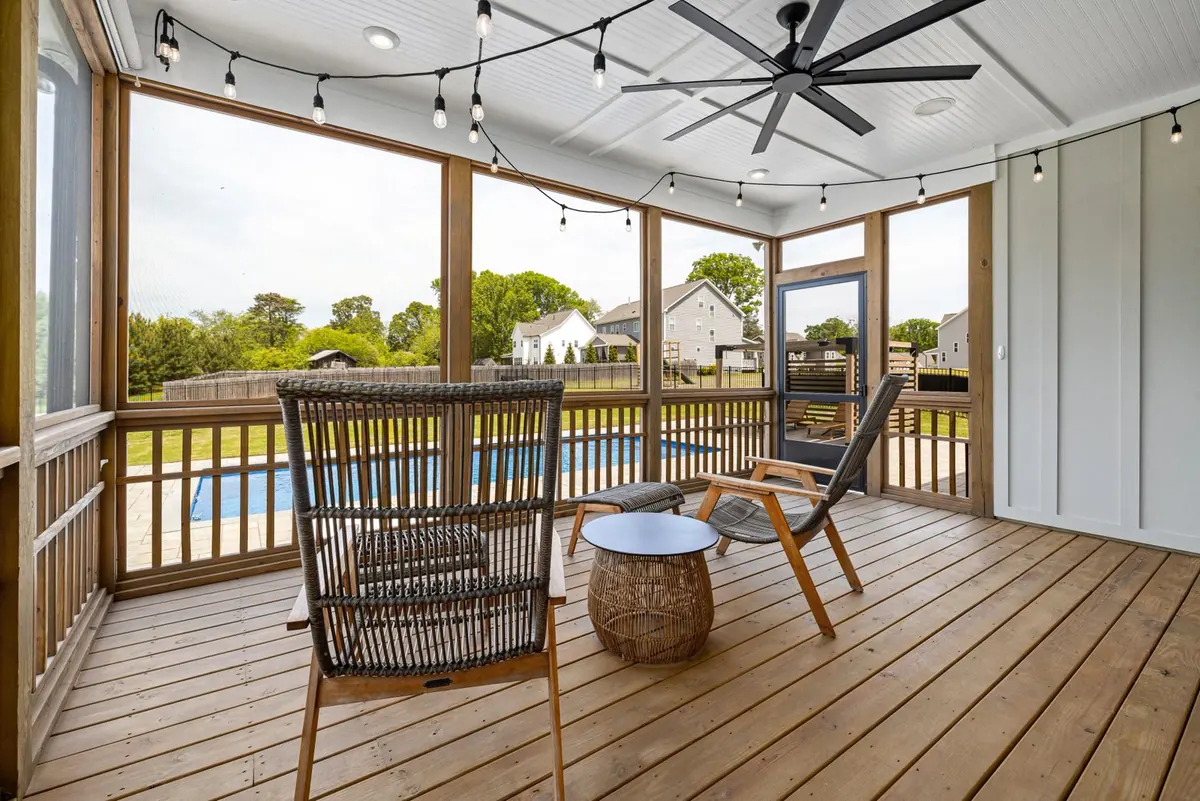
Professional lanai and patio screening in South Florida typically runs $600 to $3,200 for a full rescreen, or about $70 to $150 per panel if only a few sections have failed. The right mesh choice matters just as much as the price, because Florida sun, storms, and salt air destroy cheap screening fast. Here is what you should expect to pay, the mesh options worth knowing about, and how the work actually gets done.
Lanai & Patio Screening Cost in South Florida
Most homeowners in Central and South Florida spend somewhere between $600 and $3,200 to fully rescreen a lanai or patio enclosure in 2026. Size drives the number more than anything else, followed by the mesh you pick and how many doors the enclosure has. Here is what real jobs look like:
| Job Size | Typical Cost | Average |
|---|---|---|
| Single panel replacement | $70 to $150 | $95 |
| Small lanai (up to ~200 sq ft of screen) | $600 to $1,200 | $900 |
| Medium lanai (200 to 500 sq ft) | $1,100 to $2,000 | $1,500 |
| Large or two-story patio enclosure | $1,800 to $3,200+ | $2,400 |
What moves your quote up or down:
- Panel count & height, since tall gable ends and second-story panels take more time and staging.
- Mesh choice, because No-See-Um, pet screen, and Florida Glass cost more per foot than standard fiberglass.
- Doors, as each screen door needs its own mesh, spline, sweep, and hardware check.
- Frame condition, because loose spline channels, corroded fasteners, or bent rails get corrected before new mesh goes in.
- Access, with tight side yards, pool cages over water features, and landscaping all adding handling time.
Good to know: If more than a third of your panels are failing, a full rescreen almost always beats replacing panels one by one. You pay one mobilization, get uniform mesh across the whole enclosure, and reset the clock on everything at once.
Screen Mesh Options for Florida Lanais
Mesh is not one-size-fits-all, and the right choice depends on where you live and how you use the space. These are the options we install most across Central and South Florida:
- Standard 18/14 fiberglass, the everyday workhorse. Good airflow, good visibility, and the best price.
- No-See-Um mesh (20/20), a tighter weave that blocks the tiny biting midges that regular screen lets through. The upgrade of choice near the Intracoastal, canals, and preserves.
- Pet screen, a heavy vinyl-coated mesh that shrugs off claws. Usually installed on the lower panels where dogs and cats push.
- Florida Glass, fiberglass mesh laminated with clear vinyl. Blocks rain, pollen, and sightlines, which makes it the standard for privacy walls and lower panels near property lines.
- Solar & shade mesh, denser weaves that knock down heat and glare on west-facing lanais.
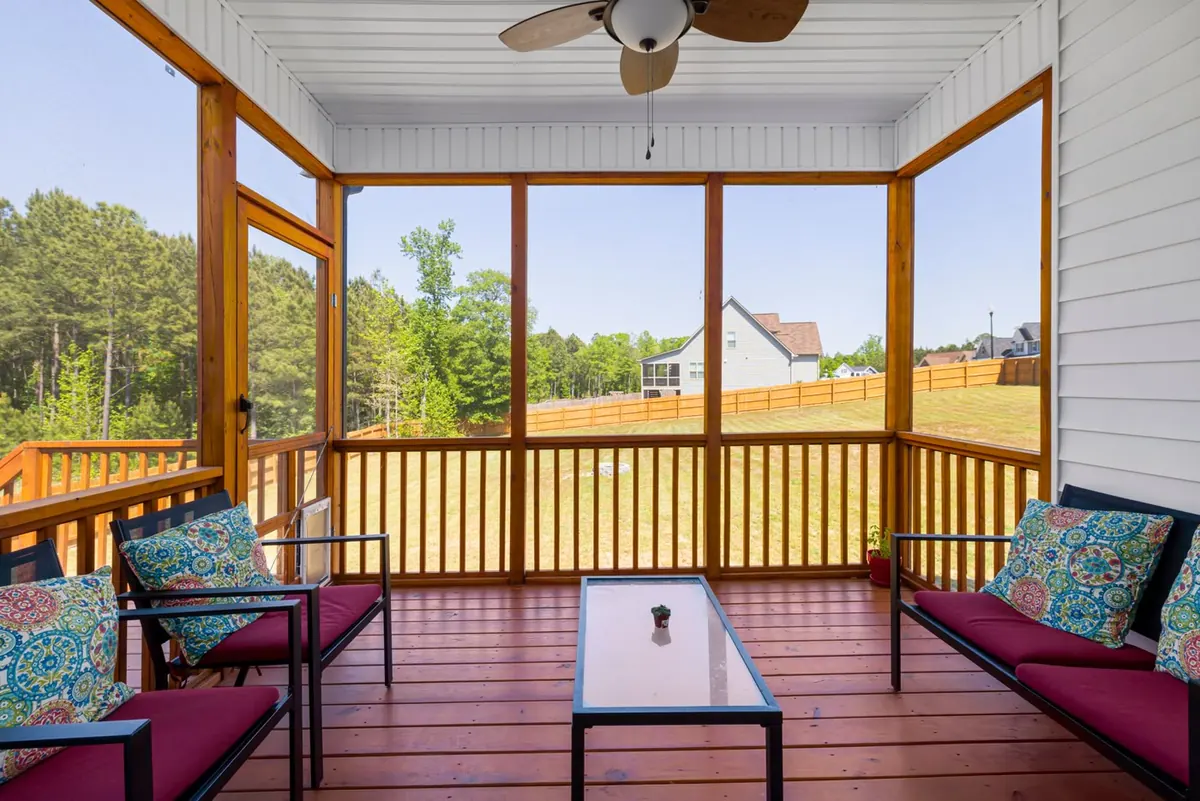
Mixing mesh is completely normal. A common South Florida setup is No-See-Um on the upper panels, pet screen across the bottom rail, and Florida Glass on one privacy wall. A good installer will walk the enclosure with you and spec each wall for how you actually use it. You can see the full options on our lanai & patio screening service page.
Signs Your Lanai Screens Are Done
Florida screening rarely fails overnight. It ages in plain sight, and these are the signals it is time:
- Tears and holes that keep appearing, especially along edges and corners.
- Sagging, wavy panels that have lost tension and flap in a breeze.
- Brittle mesh that cracks or crumbles when you press on it. That is UV damage, and it is everywhere, not just where you touched.
- Spline popping out of the channels, letting whole panels pull free in wind.
- Black streaks and mildew that come back right after cleaning.
- Bugs indoors, because mosquitoes and no-see-ums find gaps long before you do.
One or two of these on a young enclosure usually means a targeted screen repair. Most of them at once on 8-to-12-year-old mesh means the enclosure is telling you it is time to rescreen.
Not sure which you need?
Send us a photo. We will tell you straight whether it is a patch or a rescreen.
What to Expect on Rescreen Day
A professional lanai rescreen is fast, tidy, and very visual. Here is how the day goes:
1. Walk-through & final measure
The crew confirms mesh choices wall by wall, counts doors, and flags any frame or fastener issues found along the way.
2. Strip the old mesh & spline
Every panel comes out along with the old spline. Reusing tired spline is the shortcut that makes new screen fail early, so it all goes.
3. Prep the frame
Spline channels get cleared and cleaned, loose screws are replaced, and any corroded contact points are addressed so the new mesh seats properly.
4. Roll in the new mesh
New screening is rolled into the channels with fresh spline, pulled to even tension so panels are drum-tight without distorting the frame.
5. Trim, tension check & cleanup
Edges are trimmed clean, every panel gets a tension check, doors get adjusted and re-swept, and the crew hauls off every scrap of old mesh.
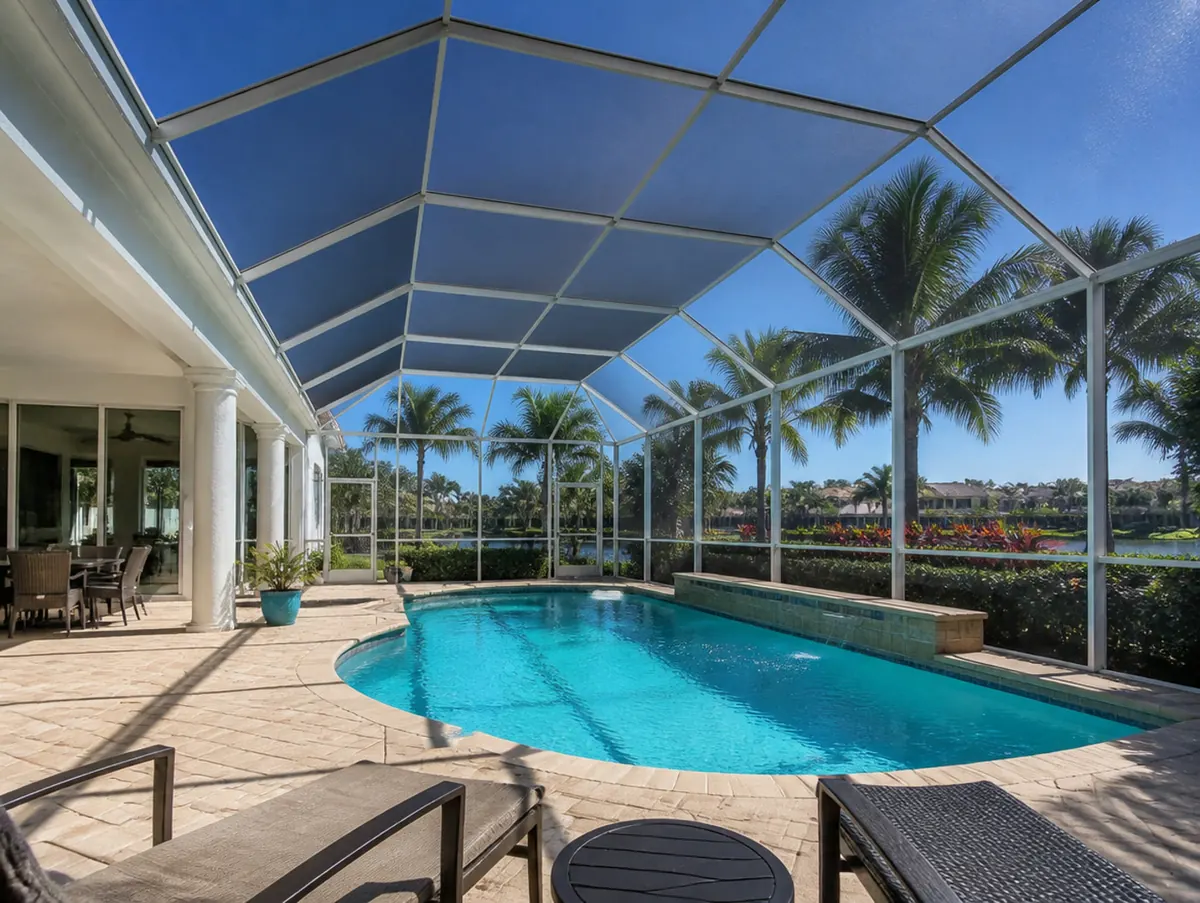
Most single-story lanais are done in one day. Large or two-story enclosures typically take two. If your enclosure frame also needs attention, rescreening pairs naturally with pool cage rescreening or a repaint in the same visit.
Panel Repair vs. Full Rescreen
The honest answer depends on the age of the mesh and how many panels are failing:
Repair individual panels when:
- The damage is isolated, like one tear from a falling branch or a pet incident.
- The surrounding mesh is still flexible and holds tension.
- The enclosure was screened within the last few years.
Rescreen the whole enclosure when:
- Mesh crumbles or tears easily anywhere you test it.
- Multiple panels have failed in the last year, because the rest are close behind.
- The screening is 8 to 12+ years old and visibly chalky or sagging.
- You want to upgrade mesh type across the whole lanai anyway.
Rule of thumb: replacing panels one at a time makes sense right up until roughly a third have failed. Past that point, the per-panel math loses to a single clean rescreen every time.
Why a Screened Lanai Earns Its Keep
There is a reason nearly every South Florida home has one. Healthy screening quietly does a lot of work:
- Bug-free evenings, which is no small thing in a state that breeds mosquitoes year round.
- A cleaner pool and patio, since mesh catches leaves, seed pods, and windblown debris before they land in the water.
- Softer sun, because even standard mesh takes the edge off afternoon glare and heat.
- More usable square footage, turning the patio into an outdoor room you actually sit in.
- Protected furniture, with cushions and fabrics lasting visibly longer out of direct sun and rain.
Frequently Asked Questions
How much does it cost to rescreen a lanai in South Florida?
What is the best screen mesh for a Florida lanai?
How long does lanai screening last in South Florida?
Can you replace just one lanai screen panel?
How long does a lanai rescreen take?
Ready for a Lanai You Actually Use Again?
Free, on-site estimates across Central and South Florida, usually within 24 hours. Honest advice on mesh, straight pricing, and a crew that leaves your patio cleaner than they found it.